Cambridge, One Bite at a Time: A Slow Travel Love Letter to Food and Place
You know that feeling when a city surprises you? I came to Cambridge for the history, stayed for the food. Wandering its cobbled lanes with no rush, I discovered how meals can tell a place’s story. From morning pastries at local markets to quiet pub dinners by the River Cam, every bite felt authentic. Slow travel didn’t just change how I moved—it deepened how I tasted, connected, and remembered. What began as a weekend getaway became a lesson in presence, where time slowed, senses awakened, and a centuries-old city revealed itself not through guidebooks, but through shared tables and seasonal flavors. This is not a story of must-see sights, but of savoring moments—one meal, one conversation, one quiet corner at a time.
The Rhythm of Slow Travel in Cambridge
Cambridge, with its ancient spires and tree-lined rivers, invites a different kind of journey—one measured not in miles or checklists, but in moments of stillness and discovery. The practice of slow travel finds a natural home here, where the pace of life leans toward contemplation rather than haste. Unlike cities that demand speed and stamina, Cambridge rewards those who linger. Its compact center is best explored on foot or by bicycle, modes of transport that allow travelers to absorb the subtle shifts in light across stone facades, the rustle of leaves along the Backs, or the distant chime of college bells carried on the wind. This is not tourism as performance, but travel as immersion.
Walking along King’s College Path in the early morning, when the mist still hovers above the River Cam and punts lie quietly at their moorings, one begins to understand the value of unhurried observation. There are no crowds, no loudspeaker tours, just the soft crunch of gravel underfoot and the occasional nod from a passing resident. These moments of solitude are not empty—they are full of presence. They create space for awareness, for noticing the way ivy climbs a centuries-old wall, or how sunlight filters through the leaves of a plane tree onto a worn bench. This mindfulness, cultivated through movement at human speed, becomes the foundation for deeper connection.
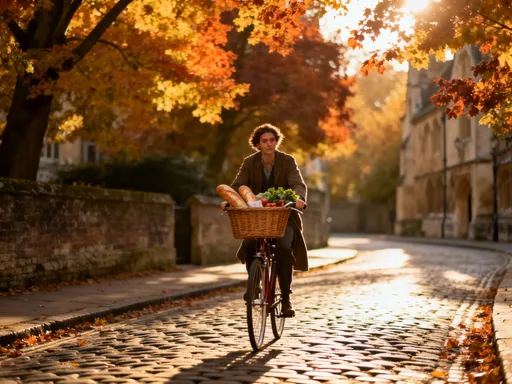
Cycling through neighborhoods like Chesterton or Newnham offers a similar rhythm. The gentle effort of pedaling, the breeze on the face, the freedom to pause at will—these small sensations anchor the traveler in the now. There’s no need to rush from King’s Chapel to the Fitzwilliam Museum in record time. Instead, one might stop at a neighborhood green, watch children play, or pause to read a plaque on a quiet lane. These detours, often dismissed as distractions, become the heart of the experience. They reflect a truth often overlooked in modern travel: that what we remember most are not the sights we see, but the feelings we carry.
Cambridge’s layout supports this way of moving. The city center is compact, with most colleges, markets, and riverside paths within a twenty-minute walk of one another. This walkability removes the pressure to optimize every hour. There is no need to “fit it all in.” Instead, the traveler can choose to return to the same café twice in one day, sit by the river each afternoon, or explore a single market stall in depth. This repetition, often avoided in traditional tourism, fosters familiarity and comfort. It allows for a relationship with the place to develop, much like a friendship grows over shared meals and quiet conversations.
Breakfast Like a Local: Markets and Bakeries
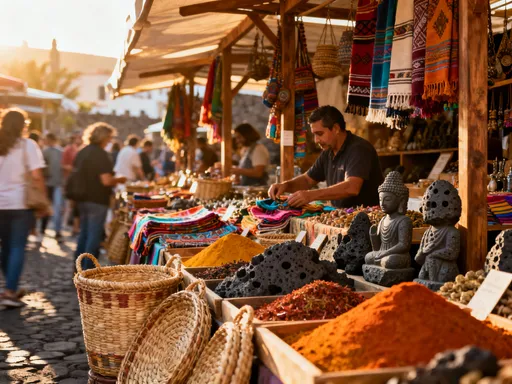
The day in Cambridge often begins not with an alarm, but with the scent of fresh bread and brewing coffee. The historic Market Square, a vibrant hub since the 13th century, awakens early with the arrival of local vendors setting up their stalls. This is not a tourist market filled with souvenirs, but a living, breathing space where residents shop for their week’s groceries, exchange greetings, and sample the season’s best. To start the day here is to step into the rhythm of local life, where food is not just sustenance, but a shared ritual.
The bakery stalls are among the first to draw a crowd. Artisan bakers from surrounding villages arrive before dawn, unloading sourdough loaves with crisp, golden crusts and soft, airy interiors. The smell alone is enough to draw people in—warm, yeasty, and deeply comforting. One popular vendor, known simply as “The Loaf,” has been serving the city for over two decades, using locally milled flour and traditional fermentation methods. Their rye bread, dense and tangy, is a favorite among regulars, often paired with homemade apple butter or local honey. To purchase a loaf here is not just a transaction, but a small act of connection—a nod, a brief exchange about the weather, a recommendation for the day’s special.
Coffee culture in Cambridge is equally rooted in quality and community. Independent stalls like Bean & Co. and River Roast offer more than just caffeine—they provide a moment of pause. A well-made flat white, with its velvety microfoam and balanced espresso, becomes a companion to the morning. Sipping it slowly while standing at a wooden counter, watching the market come alive, one begins to notice the details: the way a vendor arranges bunches of rainbow chard, the laughter between two friends reuniting at a cheese stand, the careful weighing of free-range eggs. These are not background scenes—they are the essence of the place.
Seasonality shapes the market’s offerings in profound ways. In spring, stalls overflow with asparagus, wild garlic, and early strawberries. Summer brings plump tomatoes, fragrant herbs, and jars of homemade jam. Autumn sees crates of apples, pumpkins, and mushrooms foraged from nearby woodlands. Even in winter, the market remains vibrant, with steaming cups of spiced cider, roasted nuts, and hearty root vegetables. This connection to the land reminds visitors that food is not disconnected from time and place, but deeply tied to the cycles of nature. Starting the day with such awareness sets a tone of mindfulness that carries through the rest of the journey.
Lunchtime Stories: From Sandwich Shops to Hidden Courtyards
Lunch in Cambridge is not about grand dining, but about small, meaningful moments. It is found in modest sandwich shops tucked between bookstores, in sunlit college tea rooms, or on weathered benches where students eat between lectures. These are the quiet interludes that reveal the city’s daily rhythm. Unlike tourist-heavy restaurants that cater to spectacle, these spaces offer authenticity—a glimpse into how people live, work, and rest.
One such place is The Daily Loaf, a family-run sandwich bar near the Sidgwick Site. No sign above the door, no online menu—just a handwritten chalkboard and a line of regulars by noon. Inside, the counter is lined with fresh bread, still warm from the oven, and fillings made that morning: free-range egg salad with chives, roast beef with horseradish, and a vegetarian option featuring grilled vegetables and goat cheese. Each sandwich is made to order, wrapped in paper, and served with a smile. There is no seating inside, but that doesn’t matter—most customers take their lunch to the nearby park or sit on the stone steps of the Faculty of Law, watching pigeons scatter in the breeze.
Another lunchtime ritual unfolds in the college gardens. Many of Cambridge’s historic colleges open their enclosed courtyards to visitors during certain hours, and some even operate small tea rooms for students and guests. At Murray Edwards College, the pavilion café offers light lunches in a modern, light-filled space surrounded by sculpture and greenery. A bowl of tomato soup with crusty bread, a simple salad with local goat cheese, or a warm quiche with a side of mixed greens—these meals are unpretentious, yet deeply satisfying. The atmosphere is calm, the conversation hushed, and the view of the garden offers a sense of sanctuary.
For those who prefer solitude, a bench by the River Cam becomes the perfect lunch spot. A paper-wrapped sandwich, a piece of fruit, and a flask of tea can transform an ordinary moment into a cherished memory. Watching a punt glide by, its occupant struggling with the pole, or seeing a kingfisher dart across the water—these small joys are amplified by the simplicity of the meal. There is no need for luxury or fanfare. In fact, the lack of it is what makes the experience so genuine. Lunch, in this context, is not just about nourishment, but about pause—a deliberate break in the day to breathe, observe, and reconnect with the present.
Afternoon Pauses: Tea, Cake, and Conversation
If breakfast sets the tone and lunch sustains the body, then afternoon tea in Cambridge nourishes the soul. This is not the performative high tea of tourist hotels, complete with tiers of pastries and stiff formality, but a quieter, more personal tradition. It is found in cozy cafés with mismatched china, in sunlit corners of independent bakeries, and in homes where friends gather for a cup and a chat. The ritual of tea is not rushed; it is an invitation to slow down, to savor, and to listen.
One of the most beloved spots for this ritual is Fitzbillies, a bakery and café with a history stretching back to 1921. Famous for its sticky Chelsea buns, the shop draws both tourists and locals with its warm, unpretentious atmosphere. The scent of cinnamon and sugar fills the air, mingling with the rich aroma of freshly brewed tea. A pot of Earl Grey, served in a white porcelain teapot, arrives with a small plate of scones—still warm, with clotted cream and strawberry jam on the side. To eat one slowly, breaking off pieces and dipping them in cream, is to participate in a tradition that has comforted generations.
But Fitzbillies is not alone in preserving this culture. Smaller cafés like Pomp and Whimsy and Little Green Man offer their own interpretations of the afternoon pause. At Pomp and Whimsy, the focus is on homemade cakes—lemon drizzle with a moist crumb, chocolate fudge cake so rich it needs only a small slice, and seasonal specials like rhubarb and ginger tart. The décor is playful, with vintage teacups and floral wallpaper, yet the experience remains grounded in authenticity. Customers linger over their tea, reading books, sketching in notebooks, or chatting softly. Time seems to expand in these spaces, allowing for reflection and connection.
For some, the afternoon tea ritual is not about the food at all, but about the company. Sharing a pot with a friend, listening to their stories, or simply sitting in comfortable silence—these moments of human connection are rare in the rush of modern life. In Cambridge, they are not only possible, but encouraged. The city’s café culture supports conversation, with tables spaced closely enough for intimacy, yet far enough for privacy. The clink of spoons, the soft murmur of voices, the occasional laugh—these sounds form a gentle soundtrack to the afternoon. To pause here is not to waste time, but to reclaim it.
Dinner by the River: Pub Culture and Seasonal Flavors
As evening falls, Cambridge transforms once more. The golden light of dusk settles on the river, and the low glow of pub lanterns begins to flicker. Dinner in the city is often a communal affair, centered around traditional pubs that have served locals for centuries. These are not flashy restaurants with celebrity chefs, but warm, welcoming spaces where food is hearty, honest, and deeply connected to the region’s agricultural roots. To dine in one of these riverside pubs is to experience Cambridge’s soul—one plate at a time.
The Eagle, one of the oldest pubs in the city, dates back to the 14th century and carries stories in its wooden beams and low ceilings. Scientists, students, and locals gather here not for spectacle, but for good conversation and well-prepared food. The menu changes with the seasons, reflecting what is fresh and available. In autumn, one might find roast duck with a blackberry and thyme reduction, served with buttery mashed potatoes and roasted root vegetables. In winter, a rich pea and ham soup, made with slow-cooked broth and smoked ham hock, offers warmth against the chill. These dishes are not complicated, but they are deeply flavorful—rooted in tradition and respect for ingredients.
Another favorite, The Bakers @ Selwyn, occupies a former bakery and retains much of its original charm. Exposed brick walls, wooden tables, and the faint scent of old flour create a cozy atmosphere. The menu emphasizes local sourcing—lamb from nearby farms, fish from the East Anglian coast, and vegetables from the city’s own market. A simple dish like grilled mackerel with crushed new potatoes and sorrel butter becomes a celebration of place. Even the desserts—apple crumble with custard, sticky toffee pudding—feel like homages to English culinary heritage.
What makes these dinners memorable is not just the food, but the atmosphere. Pubs in Cambridge are social hubs, where stories are shared over pints of locally brewed ale. A retired professor might recount a lecture from decades past, a student might debate philosophy with a friend, or a visitor might strike up a conversation with a regular. These exchanges, unscripted and genuine, add depth to the meal. They remind us that dining is not just about eating, but about belonging—even if only for an evening. In a world of fast food and digital isolation, this kind of connection feels rare and precious.
Food as Connection: Talking to Makers and Neighbors
One of the most transformative aspects of slow travel is the way it opens doors to human connection. In Cambridge, this often happens through food—but not in the way one might expect. It is not about dining with celebrities or attending exclusive events, but about simple, unplanned conversations with the people who grow, bake, and serve the city’s food. These interactions, brief as they may be, often leave the deepest impressions.
At the Market Square, a vendor selling honey from her own hives might explain how the flavor changes with the seasons—light and floral in spring, deep and earthy in autumn. A cheesemaker from Cambridgeshire might describe the process of aging a traditional cheddar, turning it by hand in a cool cellar. A baker, wiping flour from his hands, might share the story of how he learned his craft from his grandfather in Dorset. These moments of storytelling, sparked by a simple question or a shared appreciation, turn food into a bridge between strangers.
Such connections are not limited to markets. In a quiet café, a local might offer a recommendation for a hidden garden. At a pub, a server might mention a walking trail along the Cam that few tourists know. These small acts of kindness, born from the traveler’s willingness to slow down and listen, create a sense of welcome. They remind us that travel is not just about seeing new places, but about meeting new people—real people, with lives and histories of their own.
For the traveler, these interactions foster empathy. They break down the illusion of the “other” and replace it with recognition—of shared values, of common joys, of mutual respect. To know the name of the person who grew your vegetables, or to hear the pride in a baker’s voice as he describes his sourdough starter, is to see a place not as a destination, but as a community. This shift in perspective is one of the greatest gifts of slow, food-centered travel.
Why This Matters: The Lasting Taste of Place
In the end, what we remember most about a place is not the postcard view or the famous landmark, but the feeling it gave us—the warmth of a conversation, the comfort of a shared meal, the quiet joy of a moment fully lived. Cambridge, seen through the lens of slow travel and food, becomes more than a city of colleges and rivers. It becomes a story told in flavors, textures, and human voices. It becomes a place we carry within us, long after we’ve left.
This way of traveling asks for nothing extraordinary—no grand gestures, no expensive tours. It only asks that we slow down, pay attention, and be present. It invites us to eat with curiosity, to listen with openness, and to move with intention. In doing so, we do not just visit a place—we experience it. We taste its seasons, hear its rhythms, and feel its heartbeat.
And in a world that often feels too fast, too loud, too fragmented, this kind of travel is not just enjoyable—it is necessary. It restores our sense of wonder. It reminds us that beauty exists in the ordinary, that connection is possible even in unfamiliar places, and that the simplest meals can become the most meaningful moments. Cambridge, one bite at a time, teaches us to savor not just food, but life itself. So the next time you travel, consider leaving the checklist behind. Seek depth over speed. Let your journey be guided not by time, but by taste. Because in the end, the places we remember most are not the ones we rushed through—but the ones we truly tasted.