You Won’t Believe What I Found While Shopping in the Balearic Islands
The Balearic Islands aren’t just about beaches and sunsets—there’s a whole other side hiding in plain sight. I stumbled upon something unexpected: boutiques, markets, and artisan shops tucked into buildings so stunning, they made me stop mid-step. The mix of traditional stone walls, arched doorways, and modern design created a shopping experience that felt more like wandering through living architecture. This is where style meets substance—literally. Each island reveals a distinct rhythm of life, where commerce doesn’t disrupt heritage but deepens it. What began as a simple search for souvenirs turned into a journey through time, texture, and tradition.
First Impressions: When Shopping Becomes a Cultural Experience
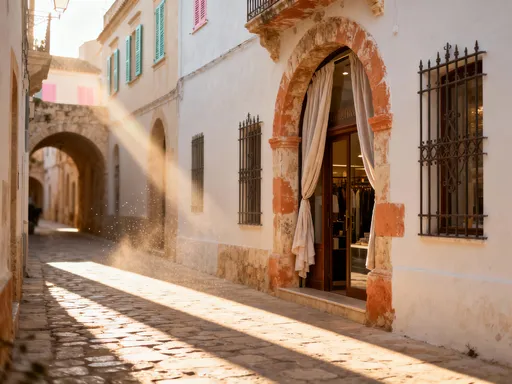
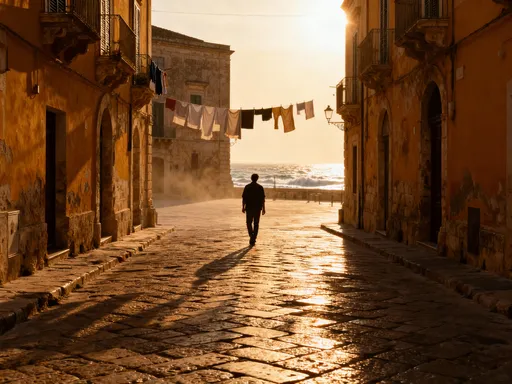
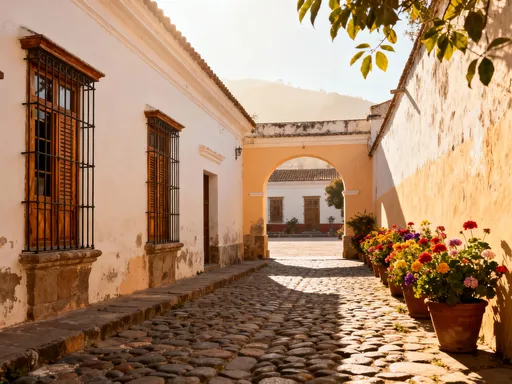
Arriving in the Balearic Islands, the first thing most travelers notice is the shimmer of the Mediterranean under a golden sun. But beyond the coastline lies a quieter, equally captivating world—one where shopping is not merely about acquiring items, but about absorbing culture. The moment I stepped off the ferry and wandered into a side street in Palma, I realized that retail here operates on a different frequency. Storefronts aren’t designed to shout for attention; instead, they whisper stories through their form and materials. Whitewashed walls glow softly in the afternoon light, wooden shutters frame hand-painted signs, and wrought-iron grilles cast intricate shadows on cobblestones below. These details aren’t decorative afterthoughts—they are living remnants of centuries-old building traditions shaped by Moorish, Catalan, and Mediterranean influences.
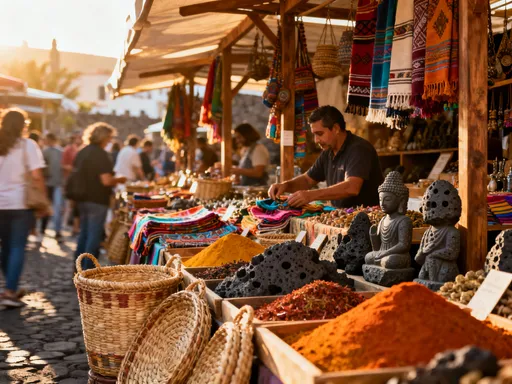
What struck me most was how seamlessly commerce integrates with community life. In many towns, markets open in village squares at dawn, transforming public spaces into vibrant hubs of exchange. Vendors arrange fresh produce on rustic wooden crates, while nearby, artisans display woven baskets and hand-thrown pottery. There’s no sense of artificial separation between daily living and shopping; they coexist naturally. Unlike the sterile predictability of modern shopping malls, every purchase here feels grounded in place. Buying a bar of olive oil soap isn’t just a transaction—it’s a small act of participation in a way of life that values slowness, craftsmanship, and connection. This immersion transforms the ordinary into the meaningful.
The architecture plays a crucial role in this experience. Buildings in the old quarters were not constructed for tourism or retail efficiency. They evolved organically over generations, shaped by climate, available materials, and local customs. Thick stone walls provide natural insulation, keeping interiors cool during scorching summers. Small windows reduce glare while allowing gentle breezes to pass through. These functional choices now serve an aesthetic purpose, creating intimate, shaded environments where light falls in dappled patterns across shelves and displays. The result is a sensory richness that enhances every visit. You don’t just see the products—you feel the space, hear the echoes of footsteps on stone, and smell the faint scent of aged wood and sea air. Shopping becomes a full-bodied experience, one that lingers in memory long after the bag is unpacked.
Mallorca’s Old Towns: Where History Frames Every Purchase
If the Balearic Islands are a tapestry, then Palma de Mallorca is its most intricate thread. The capital city wears its history proudly, and nowhere is this more evident than in its shopping districts. Wandering through the narrow streets of the old town, I discovered that retail here doesn’t happen in isolation—it unfolds within a living museum of architecture. Many boutiques occupy buildings that date back to the 16th or 17th centuries, their facades modest yet dignified. Once inside, the transformation is remarkable. A former townhouse might now house a designer clothing store, its high ceilings and exposed wooden beams lending an air of quiet sophistication. Another could be a perfumery nestled in a converted chapel, where the scent of local herbs mingles with centuries-old stone.
One of the most memorable places I visited was a linen shop located in what was once a convent. Stepping through its heavy wooden door, I was met with the cool stillness of vaulted ceilings and the soft glow of light filtering through stained-glass fragments. The garments were displayed on simple wooden racks, their natural fibers echoing the textures of the surrounding stonework. There were no flashy mannequins or loud music—just the quiet hum of appreciation from other visitors moving slowly through the space. The owner, a local designer, explained that she chose this location specifically because it honored the integrity of the building. Rather than covering up the original features, she incorporated them into the store’s identity. Check-out counters were built into restored cabinets, and display cases were positioned to highlight ancient tilework along the walls.
This reverence for architectural heritage extends throughout the city. In La Lonja, a historic neighborhood once known for its maritime trade, former merchant houses now host independent designers and artisan jewelers. These spaces retain their original proportions and materials, creating a continuity between past and present. Even modern renovations are done with care—glass partitions are used to separate new installations from old walls, ensuring that nothing is obscured or erased. This respect for context means that the products sold here feel inherently authentic. You’re not just buying a dress or a piece of jewelry; you’re acquiring something that belongs to a deeper narrative. The building itself becomes a silent partner in the transaction, reminding you that beauty has roots.
From Market Stalls to Architectural Gems: Ibiza’s Dual Identity
Ibiza often conjures images of beach clubs and all-night music festivals, but beyond the glitz lies a quieter, more enduring side of the island. In villages like Santa Eulària des Riu, the rhythm of life moves at a gentler pace, and shopping reflects this calm authenticity. Here, open-air markets thrive under the shade of wooden pergolas, their structures echoing the traditional *finca*-style homes that dot the countryside. These low, whitewashed buildings with terracotta roofs and wide eaves were designed to withstand the strong coastal winds while capturing cooling breezes—a practical wisdom now celebrated in contemporary design.
What impressed me most was how even temporary market stalls adhere to local architectural principles. Vendors use natural materials like bamboo, reclaimed wood, and woven reed screens to construct their stands. Color palettes remain earthy—creams, ochres, soft blues—ensuring that the market blends into its surroundings rather than standing out. I watched a ceramicist shape bowls on a portable wheel, her stall framed by a latticed canopy that cast delicate patterns on the ground. Nearby, a weaver sold hand-dyed scarves in hues inspired by the island’s wildflowers and sunsets. Everything felt intentional, rooted in place.
This harmony between commerce and context transforms the act of browsing into something deeply satisfying. There’s no pressure to buy, no crowds jostling for discounts. Instead, there’s a sense of discovery, of stumbling upon something rare and real. I spoke with a local woman selling herbal teas made from plants she gathers in the hills. She described how her family has lived on the island for generations, and how her recipes are tied to seasonal cycles and traditional knowledge. When I purchased a small pouch of rosemary and thyme blend, it felt less like a souvenir and more like a gift—an invitation to carry a fragment of Ibiza’s soul back home. In these moments, shopping transcends consumption; it becomes a quiet exchange of values.
Menorca’s Hidden Workshops: Craftsmanship Meets Coastal Simplicity
Menorca moves differently. The pace is slower, the colors more muted, and the architecture speaks of resilience and simplicity. In towns like Ciutadella and Ferreries, I found some of the most authentic shopping experiences in the entire archipelago. These are not polished destinations designed for mass tourism. Instead, they are working towns where tradition is preserved not as performance, but as daily practice. Family-run workshops line the narrow streets, often marked by nothing more than a small sign or a pair of leather sandals hanging in the doorway. Step inside, and you’ll likely find an artisan at work—shaping soles, weaving fabric, or glazing pottery with quiet focus.
One of the most touching discoveries was a shoemaker in Ciutadella who has been crafting *abracs*, the traditional Menorcan sandals, for over forty years. His workshop was tucked into a 19th-century stone building with a heavy wooden door and a single window facing the street. Inside, tools hung neatly on the wall, and half-finished pairs of sandals rested on wooden forms. He explained that each pair takes several days to complete, using techniques passed down from his grandfather. The leather is vegetable-tanned, the soles hand-stitched, and the buckle—a small brass detail—cast locally. When I tried on a pair, the fit was firm yet comfortable, molded to support the contours of the foot. Buying them felt like more than a purchase—it was an act of preservation, a way to sustain a craft that might otherwise fade.
The architecture of these workshops reinforces their authenticity. Unlike modern retail spaces built for maximum visibility and foot traffic, these shops are humble and unassuming. Thick stone walls provide insulation, wooden beams span the ceilings, and floors are often made of compacted earth or worn tile. There’s no attempt to impress; instead, the focus is on function and continuity. The buildings themselves seem to say: we have stood here for generations, and we will stand for generations more. This quiet endurance resonates with visitors, creating a sense of trust and depth. When you buy something here, you’re not just supporting a business—you’re honoring a legacy.
Formentera’s Minimalist Aesthetic: Less is More, Even in Retail
Crossing over to Formentera by ferry feels like stepping into a softer version of the world. The island is small, flat, and sparsely populated, with landscapes dominated by dunes, salt flats, and pine groves. Its architecture reflects this simplicity—low-rise buildings in soft whites, beiges, and faded blues blend into the natural environment. There are no grand facades or ornate details. Instead, form follows function, and beauty emerges from restraint. This ethos extends to retail. Shops here are often repurposed from old fishermen’s huts, farm sheds, or storage buildings, their conversions done with minimal intervention.
I visited a concept store in Sant Francesc that had been transformed from a *casa de pescador*, a traditional fisherman’s cottage. The original stone walls remained exposed, and the roof was rebuilt using reclaimed timber. Inside, raw wood shelves displayed organic cotton clothing, handmade candles, and ceramic vessels made by local artists. There were no branding displays or promotional signs—just carefully curated objects that felt at home in the space. The lighting was natural, streaming through small windows and a skylight, highlighting textures without drama. Even the checkout counter was modest—a simple plank of driftwood mounted on stone supports.
This minimalist approach isn’t just aesthetic; it’s philosophical. Formentera has long embraced sustainable living, and its retail culture reflects that commitment. Many stores prioritize locally made, eco-friendly products. Packaging is minimal, often reusable or compostable. Some shops operate on a seasonal schedule, opening only during the quieter months when tourism is low. This ensures that commerce doesn’t overwhelm the island’s delicate balance. Shopping here isn’t about accumulation—it’s about intention. Each item is chosen with care, meant to last and to belong. In this environment, the act of buying becomes a mindful practice, one that aligns with the island’s values of simplicity, sustainability, and serenity.
How Local Design Shapes What You Buy
One of the most fascinating aspects of shopping in the Balearic Islands is how deeply architecture influences product curation. It’s not just about where things are sold—it’s about how the space shapes what is sold. In buildings with thick stone walls and small windows, lighting is naturally soft and focused. This creates an atmosphere of intimacy, where each item is highlighted like a piece of art. A single linen dress hanging in a corner catches the light in a way that makes it impossible to ignore. A jar of honey on a wooden shelf glows like liquid gold. The environment elevates the ordinary, turning everyday objects into treasures.
Moreover, the layout of these spaces encourages discovery. Courtyards, once used for domestic life, now serve as pop-up galleries for local designers. Arched passageways lead to hidden rooms where artisans demonstrate their craft. Staircases spiral up to mezzanine levels that display limited-edition pieces. These architectural features create a sense of journey, guiding visitors through a narrative rather than a checklist. You don’t just see products—you experience them in context. A ceramic bowl isn’t just a container; it’s a reflection of the clay found in local hills. A woven bag isn’t just fashion; it’s a continuation of a technique used by island women for centuries.
There’s also a clear pattern in what kinds of brands thrive in these spaces. Stores located in historic buildings tend to carry locally made goods—olive oil, wine, textiles, ceramics—because the architecture itself demands authenticity. A sleek international brand might feel out of place in a 300-year-old stone house, but a small-batch perfumer using native herbs fits perfectly. This creates a natural filter, ensuring that retail spaces honor their roots. The result is a virtuous cycle: the building respects history, the brand respects place, and the shopper, in turn, respects both. It’s a model of commerce that feels sustainable, meaningful, and deeply human.
Practical Tips for Architectural Shopping Adventures
To fully appreciate this unique side of the Balearic Islands, a little planning goes a long way. Timing is essential. Mornings are ideal, especially between 9 and 11 a.m., when the sun rises high enough to illuminate narrow streets but hasn’t yet intensified into midday heat. This is when light floods through arched doorways, enhancing textures and bringing out the subtle variations in stone, wood, and paint. It’s also when many artisans begin their work, offering visitors a chance to see craftsmanship in action.
Footwear matters. Cobblestone streets, while beautiful, can be uneven and tiring to walk on. Comfortable, supportive shoes with good grip are recommended. Avoid high heels or smooth soles, especially in older towns where drainage channels run alongside pathways. A small reusable bag is also wise—many shops don’t provide plastic bags, and carrying your purchases adds to the authenticity of the experience.
Focus your visits on towns with well-preserved historic centers. In Mallorca, Palma’s old town and the medieval fortress town of Alcúdia offer rich architectural backdrops. In Ibiza, Santa Eulària and the hilltop village of Sant Joan de Labritja retain their traditional character. In Menorca, Ciutadella and Ferreries are treasure troves of local craftsmanship. Formentera, though less built-up, has charming clusters of shops in Sant Francesc and Es Pujols, often hidden in plain sight.
Engage with locals. Some of the best shops have no signage or online presence. A simple question—‘¿Dónde hacen los zapatos tradicionales?’ or ‘¿Hay alguna tienda de cerámica local?’—can lead to unexpected discoveries. Many families welcome visitors into their workshops, happy to share stories behind their work. And remember: slow down. These spaces are not meant to be rushed. Pause often. Sit on a shaded bench. Let the atmosphere settle around you. The true value of architectural shopping isn’t in what you take home, but in what you absorb along the way.
Conclusion
Shopping in the Balearic Islands is more than spending—it’s sensing. Every building, every street, every handcrafted object speaks of a culture that values beauty, history, and authenticity. These islands have mastered the art of integration, where commerce doesn’t erase heritage but enhances it. From the vaulted silence of a Mallorcan convent-turned-boutique to the sun-dappled simplicity of a Formenteran fisherman’s hut repurposed as a concept store, each space tells a story. And every purchase becomes a thread in that story.
What makes this experience so powerful is its quiet dignity. There’s no pressure, no pretense, no attempt to impress. Instead, there’s a deep respect—for materials, for tradition, for place. By choosing to explore retail through architecture, you don’t just buy things—you connect with place. You support artisans who preserve endangered crafts. You walk through centuries of design wisdom, feeling the coolness of stone walls and the warmth of wooden beams. You begin to understand that true luxury isn’t found in labels or logos, but in the integrity of making and belonging.
And that’s a souvenir no price tag can measure. It stays with you not in your suitcase, but in your memory—the echo of footsteps on cobblestones, the scent of olive wood, the weight of a hand-stitched sandal in your palm. It reminds you that travel, at its best, is not about escape, but about connection. In the Balearic Islands, shopping becomes a bridge—to culture, to craft, to a way of life that values depth over speed, and meaning over mass. You won’t believe what you find. But once you do, you’ll never see shopping the same way again.