You Won’t Believe What I Found in Sucre’s Hidden Urban Corners
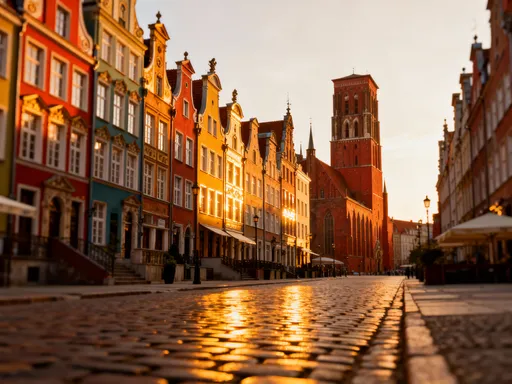
Sucre isn’t just Bolivia’s constitutional capital—it’s a living canvas of colonial charm and quiet discovery. Wandering its cobbled streets, I realized the city’s true magic lies in its urban spaces: sun-drenched plazas, pastel-colored alleys, and hidden courtyards whispering history. Unlike crowded tourist hubs, Sucre invites slow exploration. Every corner feels intentional, every plaza a story. This is urban travel at its most authentic—calm, colorful, and completely unexpected.
The First Impression: Stepping Into a White City Dream
Arriving in Sucre feels like stepping into a carefully preserved dream. The city unfolds in soft white tones, its buildings glowing under the high-altitude sun, their facades polished by centuries of Andean light. Known locally as La Ciudad Blanca, Sucre rests at 2,810 meters above sea level, and the elevation shapes more than just the crisp, clean air—it influences the rhythm of life. Everything moves with a measured grace. There is no rush, no urgency, only a quiet cadence that matches the soft shuffle of footsteps on cobblestones.
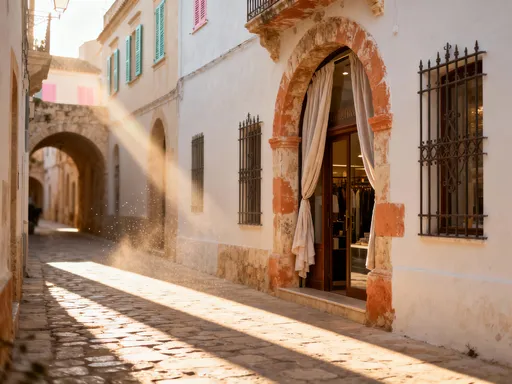
Visitors typically arrive through the main bus terminal on the city’s outskirts. From there, a short walk or local taxi ride leads into the historic center, where the urban transformation becomes immediate. The wide, tree-lined avenues give way to narrower colonial streets, where bougainvillea spills over whitewashed walls and the scent of fresh bread drifts from corner bakeries. This gradual transition—from modern infrastructure to timeless architecture—prepares travelers for what’s to come: a city that honors its past without performing it for tourists.
What sets Sucre apart from the moment of arrival is its lack of sensory overload. There are no blaring advertisements, no traffic jams, no aggressive vendors. Instead, life unfolds naturally: schoolchildren in neat uniforms walk home in pairs, elders sip tea in shaded doorways, and artisans set up small stalls with handwoven textiles. The city’s elevation contributes to this tranquility—those not acclimated may feel a slight breathlessness, but it also encourages a slower pace, one that aligns perfectly with Sucre’s contemplative spirit.
Plaza 25 de Mayo: The Beating Heart of Urban Life
At the center of Sucre’s urban rhythm lies Plaza 25 de Mayo, a broad, open square framed by some of the city’s most iconic structures. The Metropolitan Cathedral, with its neoclassical façade and twin bell towers, dominates one side, while the Palacio de Gobierno, once the residence of Bolivia’s founding fathers, stands opposite. Cafés with wrought-iron chairs spill onto the sidewalks, their patrons sipping coffee or sweet herbal teas while watching the world pass by. This plaza is not a museum exhibit—it is very much alive, pulsing with the daily energy of a city that values public life.
From early morning until dusk, the plaza serves as a gathering place for locals and travelers alike. Street musicians play Andean flutes and charangos, their melodies blending with the chatter of families and the laughter of children chasing pigeons. Vendors sell fresh fruit, artisanal chocolates, and small bottles of api, a warm, spiced corn drink beloved in the Andes. On weekends, the space often hosts cultural performances or civic events, reinforcing its role as a hub of community identity.
What makes Plaza 25 de Mayo exceptional is its balance of grandeur and accessibility. Unlike plazas in more tourist-heavy cities, where the focus is on photo opportunities and souvenir shopping, this one feels deeply integrated into the lives of Sucreños. Office workers take lunch breaks on benches beneath towering palm trees. Students from the nearby Universidad Mayor, one of Bolivia’s oldest academic institutions, meet between classes. The plaza is not just a landmark; it is a shared living room, a place where history and daily routine coexist in harmony.
Colonial Architecture as Urban Identity
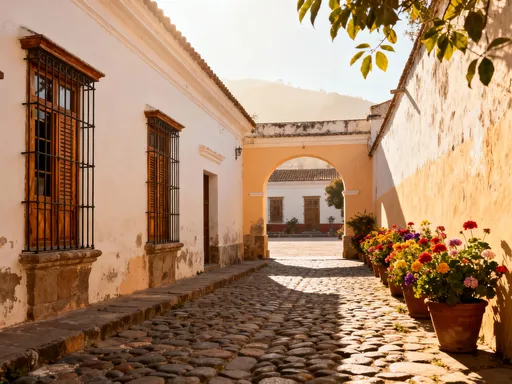
Sucre’s architectural heritage is not merely preserved—it is lived in. The city’s Spanish colonial buildings, many dating back to the 16th and 17th centuries, form the backbone of its urban identity. These structures are more than aesthetic relics; they are functional, inhabited spaces where families cook, students study, and artisans work. The architecture tells a story of resilience, adaptation, and cultural continuity, all visible in the details: intricately carved wooden doorways, red clay roof tiles, and inner courtyards known as patios, which serve as private oases of light and greenery.
One of the most distinctive features of Sucre’s colonial homes is the use of interior patios. Often centered around a fountain or potted plants, these spaces provide natural ventilation and light in homes built without modern air conditioning. Many have been carefully restored, their tiled floors and arched colonnades reflecting centuries-old design principles. Some have been converted into boutique hotels or cultural centers, allowing visitors to experience colonial living firsthand. Walking through these spaces feels like stepping into a different era, yet the presence of Wi-Fi routers and modern kitchens reminds us that history here is not frozen—it is evolving.
Sucre’s status as a UNESCO World Heritage Site since 1991 has played a crucial role in protecting its architectural integrity. Unlike other historic cities where rapid development has led to the demolition of old buildings, Sucre has maintained strict preservation guidelines. New construction must adhere to traditional design standards, ensuring that modern additions blend seamlessly with the colonial fabric. This careful stewardship has prevented over-commercialization, allowing the city to retain its authenticity. Travelers can explore without feeling like they are walking through a staged recreation—every building, every balcony, every iron grille feels genuine.
Off-the-Beaten-Path Alleys: Where Discovery Happens
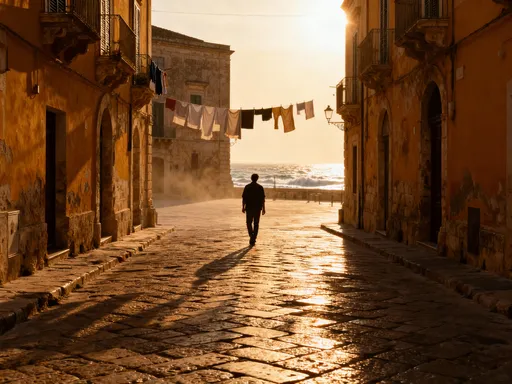
While the main plazas and tourist routes offer beauty and grandeur, the true soul of Sucre reveals itself in its quieter corners. Streets like Calle Calvo, tucked behind the Seminario Church, or the narrow passages near the Convento de Santa Clara, invite wanderers to stray from the guidebooks. Here, the flow of tourists thins, and the city opens up in unexpected ways. Laundry hangs between buildings, fluttering like colorful flags in the breeze. Elderly women sit on low stools, shelling peas or knitting woolen hats. The scent of frying empanadas and cumin rises from open kitchen windows.
These alleys are not designed for convenience or efficiency—they were built for community. Their winding paths encourage chance encounters, slow conversations, and spontaneous moments of connection. A child might offer a handmade bracelet for sale, not with the practiced pitch of a seasoned vendor, but with a shy smile. A shopkeeper might invite a passerby to taste a sample of locally made queso de chancho, a soft, slightly tangy cheese unique to the region. These interactions are not transactions; they are gestures of hospitality, small threads in the fabric of daily life.
Getting slightly lost in these neighborhoods is not a setback—it is part of the experience. Without the pressure of a strict itinerary, travelers begin to notice subtleties: the way sunlight hits a pastel-blue wall at 3 p.m., the sound of a distant church bell echoing through stone corridors, the pattern of cracks in an ancient adobe wall. These are the moments that stay long after the trip ends. In a world where so many destinations feel curated for Instagram, Sucre’s hidden alleys offer something rare: unscripted authenticity.
Urban Green Spaces: Parks and Vantage Points with a View
Though Sucre is a city of stone and sun, it is also deeply connected to nature. Its urban green spaces provide both respite and perspective. Parque Bolivar, adjacent to the main plaza, is a favorite among locals for afternoon strolls and casual meetings. Shaded by towering jacaranda and eucalyptus trees, the park offers benches, fountains, and small kiosks selling snacks and drinks. It is common to see grandparents pushing strollers, couples reading books, or students reviewing notes under the dappled light.
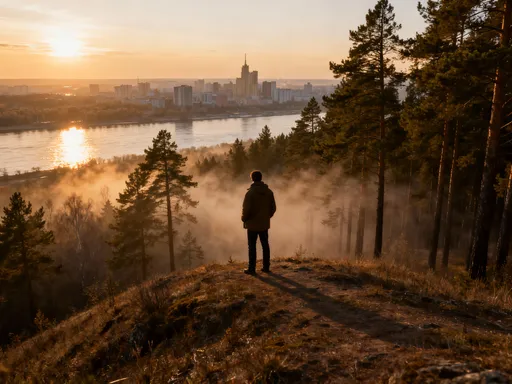
Even more striking is the ascent to El Calvario, a hilltop neighborhood crowned by a white-domed church that appears to float above the city. The climb is steep, but manageable, and the journey itself is part of the reward. Stone steps wind through residential areas, past small family homes with flower-filled balconies and children playing in doorways. At the summit, the view is breathtaking: the entire city spreads out below, a mosaic of red roofs, white walls, and winding streets, framed by distant Andean peaks.
El Calvario is not just a tourist attraction—it holds cultural and spiritual significance for locals. The church is a site of pilgrimage, especially during Holy Week, when processions wind through the streets. Even on ordinary evenings, residents gather for paseos, leisurely walks that combine exercise, socializing, and reflection. The integration of nature, architecture, and spirituality in this space exemplifies Sucre’s holistic approach to urban living. Green spaces here are not afterthoughts; they are essential elements of well-being and community cohesion.
Local Life in Motion: Markets, Cafés, and Daily Rhythms
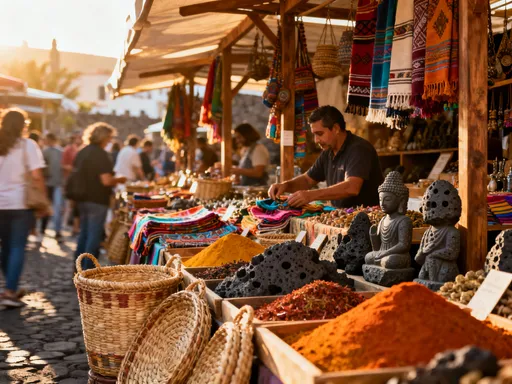
To understand Sucre, one must observe its daily rhythms. The Mercado Central, a bustling indoor market near the main square, comes alive at dawn. Vendors arrange pyramids of tropical fruits—bright red cherimoyas, golden lucumas, deep purple tumbo. Butchers display cuts of beef and llama meat, while spice stalls release clouds of cumin, aji, and cloves into the air. Women in traditional pollera skirts, their bowler hats tilted just so, haggle gently over prices, their Quechua and Spanish blending in a steady hum of commerce.
Breakfast is often taken at one of the many family-run cafés tucked into side streets. Here, travelers can order salteñas—steamed meat-filled pastries with a slightly sweet broth—and pair them with a cup of freshly brewed Bolivian coffee, grown in the Yungas region. These cafés are not designed for tourists; they are where office workers, teachers, and retirees begin their day. A newspaper might be shared at a corner table, or a group of friends might debate local news over empanadas and soda.
Education also plays a visible role in the city’s rhythm. The presence of the Universidad Mayor means that students are a constant presence, their backpacks slung over shoulders as they move between lectures. Many wear simple uniforms or casual clothes, often carrying books on Bolivian history or law. Their energy adds a youthful pulse to the otherwise serene atmosphere. Observing these daily rituals—without intrusion, with quiet respect—allows visitors to connect with Sucre on a deeper level. It is not about taking photos or checking off landmarks; it is about feeling the city breathe.
Why Sucre’s Urban Space Stands Apart in South America
In a region known for its vibrant, often overwhelming cities, Sucre stands apart for its serenity and coherence. Compared to Cusco in Peru or Quito in Ecuador—both colonial capitals with heavy tourist traffic—Sucre feels refreshingly unburdened by commercialization. There are no chain stores, no loud nightclubs, no crowded bus tours blocking narrow streets. Its role as Bolivia’s judicial capital and a center of higher education has insulated it from the kind of mass tourism that reshapes urban identity elsewhere.
This is not to say that Sucre lacks cultural richness. On the contrary, its heritage feels more intact because it is not performed. The colonial architecture is not a backdrop for souvenir shops; it is where people live and work. The plazas are not stages for photo ops; they are where families gather on Sundays. The city’s pace allows for contemplation, for noticing the way a shadow moves across a courtyard, or how a street musician plays the same melody every afternoon at 4 p.m.
Sucre’s urban space teaches a quiet lesson: that the most meaningful travel experiences are not found in grand monuments or adrenaline-fueled adventures, but in the ordinary moments of daily life. It is in the smile of a baker handing you a warm pan de yema, the sound of a church bell marking the hour, the feel of cool stone beneath your fingertips as you trace a centuries-old carving. These are the details that compose a place, that make it feel real.
In a world where so many destinations are shaped by tourism dollars, Sucre remains a rare example of urban authenticity. It does not need to shout to be heard. Its beauty is in its stillness, its strength in its simplicity. To walk its streets is not just to visit a city—it is to remember what urban life can be when it is lived with intention, respect, and grace.