You Won’t Believe What I Found in the Markets of the Canary Islands
Stepping into the Canary Islands, I expected sun and sand—but the shopping? Totally mind-blowing. From buzzing street markets to hidden craft stalls, each island serves up its own flavor of retail magic. This isn’t just about souvenirs; it’s a cultural dive wrapped in vibrant textiles, local flavors, and handmade treasures. Let me take you behind the scenes of a shopping experience most tourists miss—one that’s authentic, sensory, and unforgettable.
The Rhythm of Island Markets
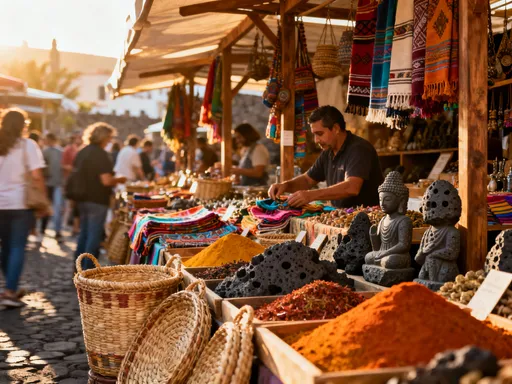
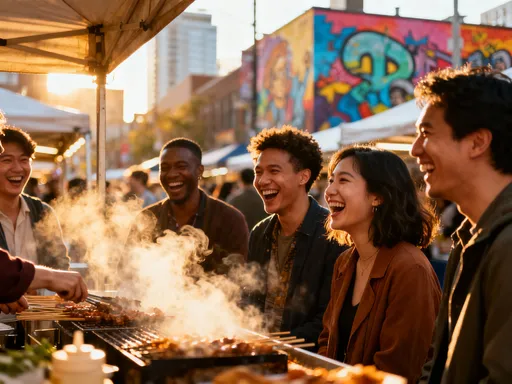
The markets of the Canary Islands pulse with a rhythm all their own, shaped by centuries of cultural exchange between Africa, Latin America, and mainland Spain. Unlike sterile shopping malls designed for convenience, these open-air bazaars are alive with stories, scents, and the hum of daily island life. Vendors begin their day before sunrise, laying out handwoven baskets, sun-dried fruits, and spices that carry the warmth of the volcanic soil. The air fills with the scent of roasting chestnuts, fresh bread, and leather goods polished to a golden sheen—each aroma a thread in the sensory tapestry of the islands.
What sets these markets apart is their role as community hubs. They are not merely places to buy and sell, but spaces where neighbors exchange news, grandparents teach children the names of local produce, and tourists are welcomed with patient smiles and broken but heartfelt English. This social heartbeat transforms shopping from a transaction into an experience. In towns like La Orotava or Telde, market days are events—families stroll through stalls, musicians play traditional timple melodies, and the pace slows to match the gentle rhythm of island time.
While modern shopping centers cater to convenience and brand familiarity, local markets offer something deeper: authenticity. Here, you won’t find rows of identical souvenirs shipped from factories overseas. Instead, every item has a maker, a story, and a connection to the land. A ceramic bowl may have been shaped by a potter in a hillside village, glazed with pigments drawn from volcanic ash. A woven palm-leaf bag could have been crafted by a retired fisherman during the quiet months between seasons. These markets preserve traditions that might otherwise fade, offering travelers a rare window into the soul of the Canary Islands.
Tenerife: Where Tradition Meets Trend
Tenerife, the largest of the Canary Islands, offers a shopping landscape as diverse as its terrain—from lush forests to lunar-like volcanic fields. At the heart of its traditional market culture lies the Mercado de Nuestra Señora de África in Santa Cruz, a vibrant hall that has welcomed visitors since the 1940s. Stepping inside is like entering a living museum of Canarian flavors. Towering pyramids of tropical fruits—mangos, papayas, and the island’s famed bananas—glisten under soft light. Stalls overflow with tubers like *papas arrugadas* (wrinkled potatoes), grown in mineral-rich soil and served with spicy red *mojo* sauce.
One of the market’s most treasured offerings is *gofio*, a fine flour made from roasted grains such as wheat or corn, a staple in Canarian diets for centuries. Vendors proudly explain its uses—from mixing it into soups to forming it into sweet desserts with honey and almonds. Nearby, local winemakers display bottles of *vino malvasía*, a golden white wine with a history stretching back to the 15th century, once prized by European royalty. Tasting a glass here, paired with a slab of *queso de cabra* (goat cheese), is a small ritual that connects the present to the past.
In contrast, the Plaza del Duque in Costa Adeje represents Tenerife’s modern face. Set within a luxury resort zone, this open-air complex blends high-end fashion boutiques with Canarian architectural details—whitewashed walls, terracotta tiles, and shaded courtyards. International brands like Zara, Loewe, and Ray-Ban sit alongside local designers selling linen dresses and hand-painted fans. While it may lack the raw authenticity of Santa Cruz’s market, Plaza del Duque offers comfort, air conditioning, and the ease of credit card payments—valuable for travelers seeking a mix of indulgence and convenience.
Together, these two shopping experiences illustrate Tenerife’s dual identity. The island honors its roots while embracing modernity, and a thoughtful traveler can enjoy both. A morning spent exploring the bustling lanes of Mercado de Nuestra Señora de África, followed by an afternoon of relaxed browsing in Plaza del Duque, creates a well-rounded journey—one that satisfies both the curiosity for culture and the desire for comfort.
Gran Canaria’s Dual Personality
If Tenerife balances tradition and trend, Gran Canaria embodies a cultural fusion that is both dynamic and deeply rooted. The island’s capital, Las Palmas, is home to one of the most captivating markets in the archipelago: El Puerto. Nestled near the historic Vegueta district and the golden sands of Las Canteras Beach, El Puerto is a treasure trove of handmade lace, intricate ceramics, and woven palm crafts. The market’s origins trace back to the 19th century, when sailors and traders brought goods from across the Atlantic, creating a melting pot of styles and techniques.
Today, El Puerto remains a stronghold of Canarian craftsmanship. Women in traditional dress demonstrate *encaje de bolillos*—bobbin lace-making—a delicate art passed down through generations. Each piece can take weeks to complete, with threads woven into floral patterns that resemble frost on glass. Nearby, potters shape clay into rustic bowls and decorative tiles, often painted with motifs of sunsets, waves, or roosters—symbols of rural island life. These items are not mass-produced; they are expressions of identity, patience, and pride.
Just a short drive away, the Las Arenas district presents a different side of Gran Canaria. Here, chic boutiques line tree-shaded avenues, offering everything from designer swimwear to artisanal perfumes inspired by local flora. The island’s cosmopolitan flair is evident in the curated selections—light linen shirts, straw hats with silk bands, and jewelry made with volcanic stone and local coral. Fashion-savvy travelers find that Gran Canaria strikes a rare balance: it offers the authenticity of handmade heritage crafts and the polish of a modern European shopping destination.
This duality reflects the island’s history as a crossroads of cultures. Influences from Spain, North Africa, and Latin America have blended over centuries, creating a unique aesthetic that feels both familiar and exotic. For the discerning shopper, Gran Canaria is not just a place to buy things—it’s a place to discover a lifestyle. Whether you’re sipping *barraquito* (a layered coffee drink) at a market-side café or browsing a boutique with ocean views, the island invites you to slow down and appreciate the details.
Lanzarote’s Artisan Soul
Lanzarote, shaped by fire and wind, channels its dramatic landscape into a thriving artisan culture. The island’s volcanic terrain—black sands, rugged cliffs, and fields of solidified lava—might seem inhospitable, but it has inspired a creative renaissance. Nowhere is this more evident than in the Teguise Market, held every Sunday in the island’s historic capital. What began as a small farmers’ gathering has grown into one of the Canaries’ most celebrated artisan fairs, drawing visitors from across Europe.
Wandering through Teguise, you’ll encounter stalls filled with objects born from the earth itself. Volcanic stone is carved into candle holders, jewelry, and even miniature sculptures of the island’s iconic *laume* lizards. Aloe vera, cultivated in the dry climate, is transformed into soothing lotions, balms, and soaps—natural remedies prized for their healing properties. Local artists sell paintings and prints inspired by the surreal landscapes of Timanfaya National Park, their color palettes dominated by ochre, charcoal, and deep crimson.
The spirit of César Manrique, the island’s beloved artist and environmentalist, lives on in these creations. His vision of harmonizing art with nature continues to influence Lanzarote’s craftsmen, who use sustainable materials and traditional methods. Many vendors operate small family workshops, where visitors are welcome to observe the creative process. One stall might offer handmade paper embedded with dried flowers; another sells wind chimes crafted from repurposed metal and sea glass.
For the best experience, plan your visit to coincide with the weekend market. Arrive early to avoid the midday heat and crowds, and allow at least two hours to explore. Bring cash, as not all vendors accept cards, and don’t rush—many artisans enjoy sharing the stories behind their work. A simple conversation can turn a purchase into a lasting memory. Whether you leave with a volcanic stone pendant or a jar of aloe vera gel, you’re taking home more than an object—you’re carrying a piece of Lanzarote’s soul.
Fuerteventura’s Seaside Craft Culture
Fuerteventura, known for its endless beaches and Atlantic winds, has cultivated a relaxed, seaside-inspired craft culture. Here, shopping feels like an extension of the beach lifestyle—casual, sun-bleached, and deeply connected to the sea. In towns like Caleta de Fuste and Corralejo, pop-up markets emerge along promenades, often run by local artists and fisher families looking to share their handmade wares.
One of the island’s most distinctive offerings is jewelry made from local pearls and shells. Unlike mass-produced trinkets, these pieces are carefully assembled using natural materials—mother-of-pearl fragments, driftwood, and sea glass smoothed by waves. Necklaces, bracelets, and earrings often incorporate symbols of the ocean: dolphins, starfish, and sea turtles, rendered in delicate silver or gold wire. Each piece is unique, shaped by the irregular beauty of the sea’s gifts.
What sets Fuerteventura’s markets apart is their eco-conscious ethos. Many vendors emphasize sustainability, using recycled materials and avoiding plastic packaging. Some artisans partner with marine conservation groups, donating a portion of sales to protect local ecosystems. This commitment resonates with travelers who value ethical consumption and environmental stewardship.
The atmosphere is unhurried, with vendors often sitting behind their stalls reading books or chatting with neighbors. Bargaining is rare and generally unnecessary—prices are fair, reflecting the time and care invested in each item. Shoppers are encouraged to touch, try on, and ask questions. A simple “¿Dónde se hace esto?” (Where is this made?) can spark a warm conversation about family workshops and generational skills. In a world of fast fashion and disposable goods, Fuerteventura’s seaside markets offer a refreshing alternative: slow, meaningful, and rooted in nature.
Beyond Souvenirs: What to Buy and Why It Matters
In the age of global commerce, the act of shopping while traveling carries deeper significance. Every purchase is a choice—one that can either support local communities or contribute to the erosion of cultural identity. In the Canary Islands, buying authentic, handmade goods is more than a personal indulgence; it’s a way to preserve traditions and honor the people who keep them alive.
Consider the *mojo* spice blends found in nearly every market. These vibrant mixtures—red *mojo picón* with chili and paprika, green *mojo verde* with cilantro and garlic—are not just condiments; they are culinary heirlooms. When you buy a small bottle from a vendor who prepares it in her kitchen, you’re sustaining a recipe that may have been passed down for generations. Similarly, *sogueros* ropes—handwoven from natural fibers by retired fishermen—are not merely decorative. They represent a vanishing skill, one that once ensured safety on the high seas.
By choosing such items, travelers do more than collect mementos—they become part of a story. A woven basket from La Gomera, a lace fan from Gran Canaria, or a ceramic tile from Lanzarote becomes a tangible link to the island’s culture. These objects carry the warmth of human hands, the scent of local earth, and the quiet pride of craftsmanship. They remind us not just of where we’ve been, but of the people we met along the way.
Moreover, ethical shopping supports economic resilience in rural communities. Many artisans rely on market sales as a primary or supplementary income. When tourists choose authentic crafts over imported trinkets, they help ensure that these traditions survive. It’s a small act with lasting impact—one that transforms a simple purchase into an act of cultural preservation.
Smart Shopping: Tips from the Ground
To make the most of your market adventures in the Canary Islands, a few practical tips can go a long way. First, timing matters. Most local markets operate on specific days—Teguise on Sundays, Santa Cruz on Fridays, Las Palmas on weekends. Arriving early, between 9 and 11 a.m., ensures the best selection and a more relaxed experience before the midday rush.
Cash is still king in many markets, especially in smaller towns and rural areas. While larger stalls in tourist zones may accept cards, it’s wise to carry euros in small denominations. Having cash on hand also makes it easier to support micro-vendors—elderly artisans or young creators just starting out—who may not have digital payment options.
Bargaining is generally not expected and can even be seen as disrespectful, as prices are typically fair and reflective of the work involved. A polite “¿Cuánto cuesta?” (How much does this cost?) followed by a warm smile is all that’s needed. If a vendor offers a small discount for buying multiple items, accept it graciously, but never haggle aggressively.
To spot authentic crafts, look for signs of handmade quality: slight imperfections, natural materials, and personal branding. Ask questions—vendors are usually happy to explain their process. Avoid stalls with identical items that look machine-made or labeled “Made in China.” True Canarian crafts are unique, often signed or stamped with the artisan’s name.
For those wishing to explore multiple islands, inter-island ferries operated by companies like Naviera Armas and Fred. Olsen Express make market-hopping feasible. Travelers can spend a morning in Tenerife’s Mercado de Nuestra Señora de África and catch an afternoon ferry to Gran Canaria. Regional flights are also available for those short on time. Just remember to pack fragile items carefully—wrap ceramics in clothing and carry delicate lace in protective cases.
Conclusion: More Than a Purchase—A Lasting Connection
Shopping in the Canary Islands is not about filling a suitcase with souvenirs. It’s about connection—between traveler and community, between past and present, between object and story. Each market visit becomes a quiet dialogue with the islands’ history, culture, and people. The banana you buy was grown by a farmer who knows the soil by heart. The lace you admire was stitched by hands that have moved the same way for a century. These are not commodities; they are keepers of memory.
As you wander from stall to stall, let yourself be guided not by price or novelty, but by meaning. Choose items that speak to you, that carry the spirit of the place. Let the rhythm of the markets slow your pace and deepen your stay. In a world that often feels rushed and impersonal, the Canary Islands offer a different way to travel—one that values presence, patience, and human touch.
So the next time you find yourself under the golden sun of the Canaries, step off the beach and into the heart of island life. Let the markets surprise you. Let them teach you. And when you return home, may every handmade treasure remind you not just of where you went, but of the people who made your journey unforgettable.